

Trauma Therapy in Seattle
For adults who are tired of holding it all together—and ready to find out who they are underneath.
In-person in Capitol Hill, Seattle • Telehealth across Washington State
My practice is currently full. I'm happy to help connect you with other therapists
Schedule a Consultation
YOU'VE BEEN CARRYING THIS LONG ENOUGH
You're in Seattle—or somewhere in Washington State—and on the outside, you might look fine. Or you might be just starting to realize you've been holding more than you knew.
Either way, your body knows something's wrong.
There's a tightness that won't release—in your chest, your jaw, your shoulders. Your mind won't quiet. You scan for threat even in safe spaces. Sleep doesn't restore you. Relationships require constant monitoring or feel impossible to access at all.
You've gotten good at managing. You function. You meet expectations.
But inside? You're exhausted from the constant bracing. The emotional floods or flatness. The sense that you're always one wrong move from falling apart or being found out.
This is what unprocessed trauma looks like when you're high-functioning.
Not crisis. Not collapse. Just this quiet, relentless weight that shapes how everything feels.
You've tried to think your way out. You might have even tried therapy that helped you understand what happened but didn't change how your body responds.
What you haven't tried is trauma therapy that works with how it actually lives—in your nervous system, your relationships, your sense of self.
And when it starts to shift, you'll feel it: the first full breath you didn't know you were holding. The afternoon you realize you've been relaxed for hours. The conversation where you stay present instead of going blank.
WHAT MAKES THIS WORK DIFFERENT
This isn't symptom management. It's integration.
We work with how trauma actually lives—in your body, your reactions, your relationships—not just what you understand about it.
EMDR — The memory stays, but the flood stops. You can think about what happened without your chest tightening.
Brainspotting — For the things you can't put into words. The shutdown. The numbness. The frozen places that talk therapy keeps circling but never reaches.
Flash Technique — Trauma processing without white-knuckling through it.
Relational depth — I track what's happening between us in real time. The moment you go distant. The flash of shame. The impulse to perform okayness. That's where the work lives.
KAP — When defenses are too rigid to soften on their own. Ketamine-assisted therapy through medical collaboration, for clients who've hit a wall.
We don't just talk about what happened. We help your nervous system finally let go.
A DIFFERENT KIND OF THERAPY
My work is depth-oriented, relational, and grounded in existential-phenomenological therapy.
That means:
We go beyond coping skills
We explore what's happening in your body and emotions
We understand how your past shaped your present
We work with shame, trauma, and identity gently and steadily
We build coherence—the feeling that your life makes sense from the inside
Evidence-based modalities:
EMDR
Brainspotting
Flash Technique
KAP (Ketamine-Assisted Psychotherapy)
This isn't quick-fix therapy. It's deep, human work that creates real, lasting change.
WHO I AM
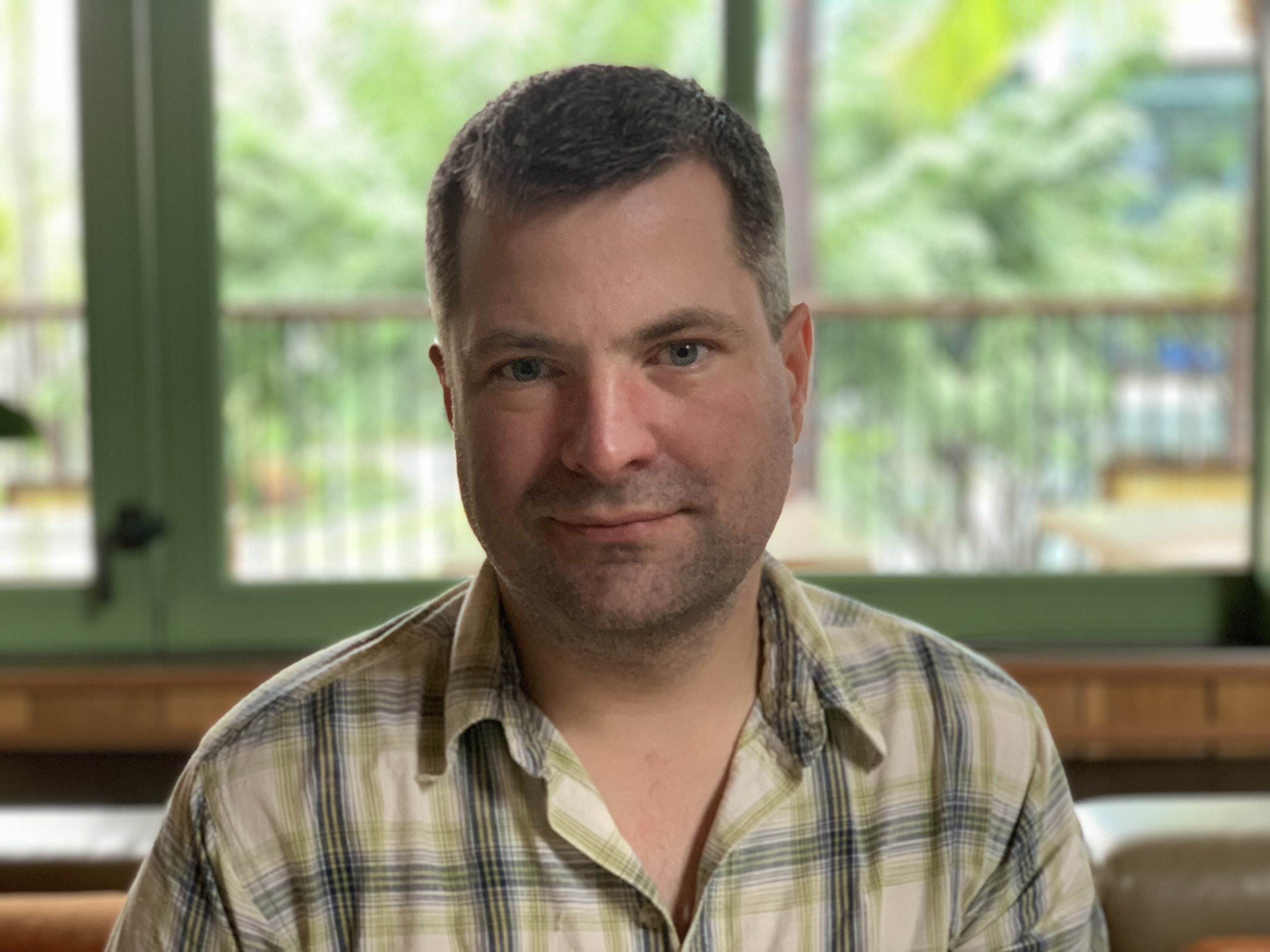
I'm Matt—a gay therapist practicing in Seattle who's done my own depth work around identity, shame, and belonging. I know what it's like to carry things alone, to feel fundamentally misunderstood, and to wonder if there's another way to live. That lived experience shapes how I work: with attunement, honesty, and zero patience for therapeutic distance or performative neutrality.
I'm also teaching faculty at Seattle University, where I teach writing, counseling theory and crisis intervention.
Specialties
-
For people carrying the emotional, relational, and bodily weight of the past.
Learn More → -
A safe, affirming space for LGBTQ+ adults navigating shame, identity, or belonging.
Learn More → -
For men who are overwhelmed, shut down, or tired of figuring it out alone.
Learn More → -
When appropriate, KAP can help soften defenses and access emotions that feel walled off. Learn More →
-
Trauma-informed integration after psilocybin, MDMA, or ketamine experiences.
WHAT IT FEELS LIKE TO WORK TOGETHER
Sessions move at the pace your nervous system can handle—not a protocol's pace. You can show up not knowing what to say, and we find it together.
Many people come to me after therapy that helped them understand their trauma but didn't change how their body responds. This work goes where talk therapy often can't.
You don't have to tell your entire trauma story in the first session—or ever.
You don't have to "be strong" or hold it together.
You don't have to know how to put your experience into words.
You don't have to convince me your pain is valid.
You don't have to be insightful, articulate, or ready for depth on day one.

YOU DON'T NEED TO WAIT UNTIL IT'S UNBEARABLE
Some people come to therapy after decades of managing alone.
Others come at 24, when they first realize: This isn't normal. This isn't just how life is supposed to feel.
Both are exactly the right time.
You don't need years of suffering to justify getting help. You don't need to wait until you "can't function." You don't need to prove your pain is "bad enough."
If your past is affecting your present—your relationships, your body, your sense of self—that's enough.
Early intervention isn't weakness. It's refusing to spend your whole life repeating patterns you didn't choose.
And so it was I entered the broken world
— Hart Crane, "The Broken Tower"
WHAT BEGINS TO SHIFT
Healing happens in moments.
The first time you take a full breath without realizing you'd been holding it. The conversation where you stay present instead of going blank. The afternoon you notice you've been relaxed for hours—not bracing, not scanning, just here.
Your partner mentions it before you do. You're different. Calmer. More reachable.
The thing that used to send you spiraling still happens—but now there's a pause where the automatic reaction used to be. You have a choice you didn't have before.
CREDENTIALS
Licensed Mental Health Counselor (LMHC), Washington State
EMDRIA Certified EMDR Therapist | Brainspotting Phase 1 & 2 | KAP Training
Teaching Faculty, Seattle University Psychology Department
Full credentials & training → About page
THE FIRST STEP
Therapy starts with a real conversation—no pressure, no expectations.
Sometimes the hardest part is just reaching out.
You don't need the perfect words. You don't need to have it all figured out.
You just need to be ready to stop carrying this alone.